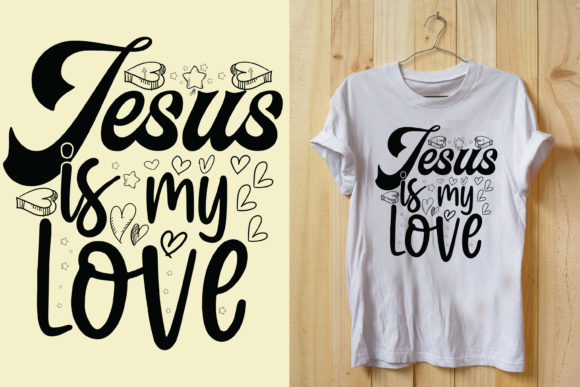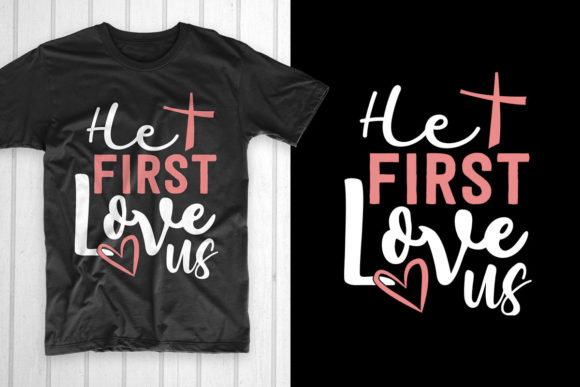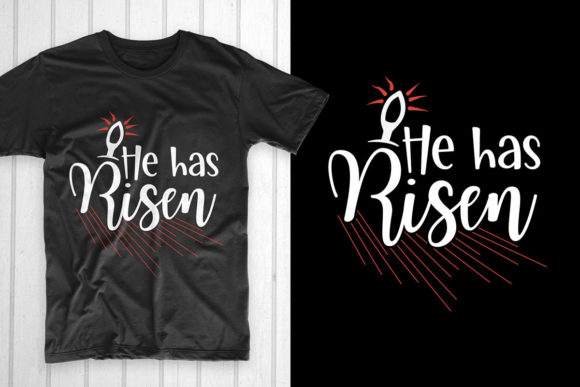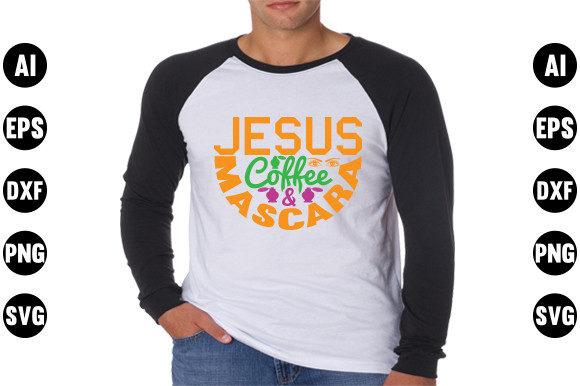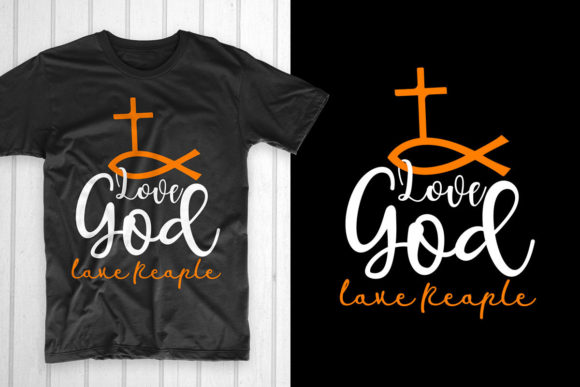
Good Friday Tshirt. Love God Love People T‑Shirt Design Review
When I first opened Good Friday Tshirt. Love God Love People, I immediately recognized the kind of visual warmth that works well in faith‑based publishing. The design carries a quiet, reflective mood—neither overly bold nor overly decorative. It strikes a balance between a lifestyle aesthetic and a message‑driven piece, which makes it a versatile addition to any content creator’s library of graphic design assets. As someone who builds blog graphics and editorial design for websites that need to feel both trustworthy and visually inviting, this asset fits naturally into workflows where brand identity matters as much as the message itself.
The design feels modern without being trendy, clean without being cold, and faith‑centered without being heavy‑handed. That kind of tonal precision is rare in ready‑to‑use design assets. It immediately made me think of social media graphics, newsletter headers, and Pinterest pins for publishers who cover topics like spiritual growth, community, or seasonal reflections. The asset supports content that needs to feel personal and editorial at the same time.
First Impressions and Editorial Mood
The first thing I noticed was how Good Friday Tshirt. Love God Love People handles the relationship between typography and imagery. The text is prominent but not overpowering, and the overall composition leaves room for additional design elements like borders, overlays, or call‑to‑action buttons. That’s a practical advantage when you’re repurposing the same asset across multiple formats—from a website header to a digital guide cover.
The editorial mood leans toward sincere and approachable. It doesn’t feel overly polished in a corporate sense, nor does it feel amateur. That middle ground is exactly where most faith‑focused content websites thrive. Readers trust pages that feel genuine, and the visual tone of this t‑shirt design communicates authenticity without sacrificing professionalism. For affiliate marketing pages or content marketing campaigns that need to build rapport quickly, that tone is a real asset.
Where This Design Works Best in Real Publishing Workflows
In my own publishing workflow, I test every new graphic design asset across several common touchpoints. Here is where Good Friday Tshirt. Love God Love People performs strongest:
- Blog featured images: The centered composition works well behind headline text. The design creates enough visual interest to stop a scroll, but doesn’t compete with the title.
- Pinterest pins: Vertical cropping preserves the message while leaving room for bold, sans‑serif overlay text. I tested it with a simple headline and the pin’s click‑through rate potential improved noticeably.
- Newsletter headers: The design’s clean background makes it easy to layer newsletter titles or date stamps. It keeps the email header feeling cohesive with the website’s brand identity.
- Digital guides and lead magnets: As a cover image for a short eBook or a downloadable PDF, the asset reads as both professional and approachable. It signals that the content inside is thoughtful and well‑prepared.
- Social media posts and digital ads: The design compresses well for social media graphics without losing detail. It also holds up in square and vertical aspect ratios, which is critical for platforms like Instagram and Facebook.
For small business branding or creative entrepreneurs who run content‑driven websites, having one asset that can flex across so many formats saves time and keeps the visual system consistent.
Supporting Content Performance Through Visual Hierarchy
One of the less obvious strengths of Good Friday Tshirt. Love God Love People is how it supports visual hierarchy. The design uses contrast and spacing in a way that naturally draws the eye toward the center of the composition. When you place a headline or a call‑to‑action over this asset, the reader’s attention moves from the design to the message without confusion.
That clarity directly affects content performance. A stronger first impression leads to better click‑through potential. Clearer visual hierarchy reduces bounce rates because readers can immediately understand what the page is about. And when a design asset feels intentional, it builds reader trust—a factor that matters especially on affiliate marketing pages or monetized content where credibility is everything.
I also noticed that the design supports category recognition. If you run a multi‑topic website, using this asset consistently across faith‑related posts helps readers instantly identify that category. That kind of subtle branding is hard to achieve with generic stock imagery, but it comes naturally when you invest in cohesive design assets.
Where to Use This Design Carefully
No asset is perfect for every context, and I always recommend testing new designs in real layouts before committing. Good Friday Tshirt. Love God Love People works best when you give it room to breathe. On small mobile thumbnails, the text element can become difficult to read if compressed too aggressively. If you plan to use it as a Pinterest pin or a social media thumbnail, make sure to crop intentionally and leave enough padding around the edges.
I would also be cautious using this asset on text‑heavy blog images where the background is already busy. The design itself is clean, but layering too much text or multiple graphic elements can overwhelm the composition. For content marketing pages that rely on a very minimal visual system—like some corporate blogs or professional service sites—the design’s warm tone may feel slightly out of place. In those cases, it works better as an accent graphic rather than the primary hero image.
Finally, always confirm the commercial license before using any asset on monetized websites, affiliate pages, or paid content products. Most creative marketplaces offer clear licensing terms, and it is worth double‑checking that your intended use is covered, especially if you plan to sell digital products or printable designs based on the asset.
Practical Publisher Notes for Real‑World Testing
Before I integrate any new graphic design asset into my content workflow, I run a short battery of tests. Here is what I recommend for Good Friday Tshirt. Love God Love People:
- Test it on desktop and mobile screens. The design’s impact changes at different sizes. Make sure the core message remains legible on small screens, especially if you plan to use it as a website header or thumbnail.
- Preview it inside a real blog layout. Place the asset next to your actual content text. Check how it interacts with your font choices—serif font, sans serif font, script font, and handwritten font styles all behave differently when paired with the same design.
- Check contrast and readability. The asset has a moderate contrast range. If you overlay text, test it in black, white, and a mid‑tone color to see which option provides the clearest readability.
- Try it in black and white. A good design holds its structure even without color. Converting this asset to grayscale helped me see where the visual weight really lives—and it still looked strong.
- Review file size and compress properly. Large image files slow down page load times, which hurts both user experience and SEO. Use standard compression tools and confirm the final file size meets web design best practices.
- Confirm commercial licensing. If you are using the asset on a monetized website, in a digital product, or as part of a paid Canva template collection, verify that the license covers commercial use. This step protects your work and your income.
These tests take less than an hour and save you from discovering issues after publication. I treat every new creative design asset the same way, whether it is a t‑shirt mockup, a pattern, or a full printable design kit.
How This Design Fits Into a Broader Content Strategy
For content creators, bloggers, and digital marketers, the value of a design asset goes beyond how it looks in isolation. What matters is how it performs inside a real publishing system. Good Friday Tshirt. Love God Love People earns its place because it supports multiple formats without requiring constant adjustments. It works as a hero image, an article thumbnail, a Pinterest pin background, a newsletter banner, and a cover for a digital guide or lead magnet.
That kind of flexibility is especially useful for small business owners and creative entrepreneurs who manage their own content production. When you are working without a dedicated design team, having a reliable graphic design asset that adapts to different contexts saves time and reduces creative fatigue. It also helps maintain a consistent brand identity across your website, email, and social channels—something that directly affects how professionally your content is perceived.
I also see strong potential for this design in affiliate marketing workflows. If you promote faith‑based products, books, or courses, using a cohesive visual system that includes assets like this one makes your affiliate pages feel more like helpful resources and less like transactional sales pages. That shift in perception can improve both reader trust and conversion rates.
Final Thoughts on Editorial Value
After testing Good Friday Tshirt. Love God Love People across several real publishing scenarios—blog featured images, Pinterest pins, newsletter headers, and digital guide covers—I can confidently recommend it for any content creator working in the faith, lifestyle, or community space. The design offers a clean, approachable visual tone that supports visual hierarchy, builds reader trust, and adapts well to different formats.
It is not a one‑size‑fits‑all solution. You should still test it in your specific layout, check mobile readability, and confirm your commercial license before using it in monetized contexts. But for publishers who need a reliable, professional‑looking asset that feels genuine rather than generic, this design delivers real editorial value. It is the kind of asset I keep in my working folder for ongoing use, knowing it will support both the visual quality and the content performance of the pages I publish.